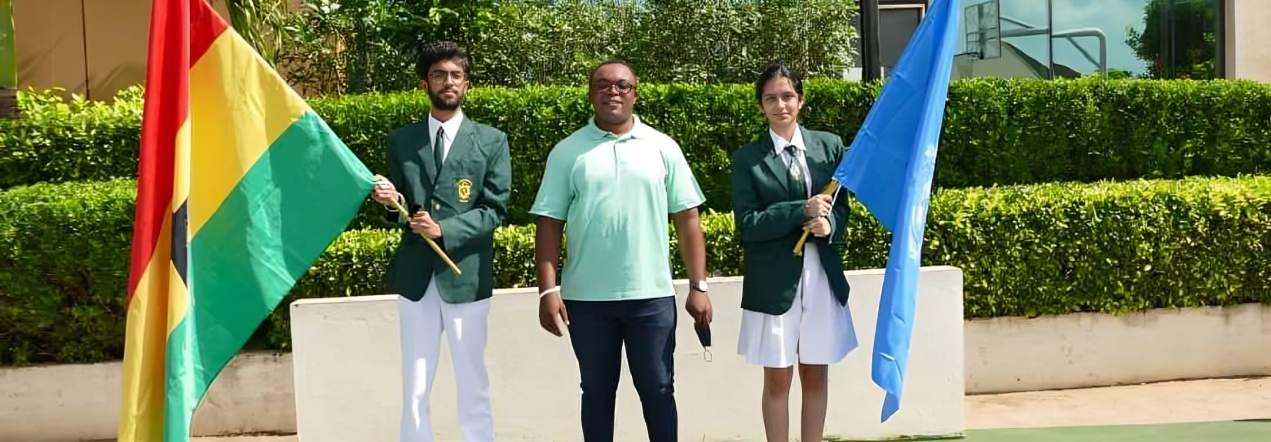
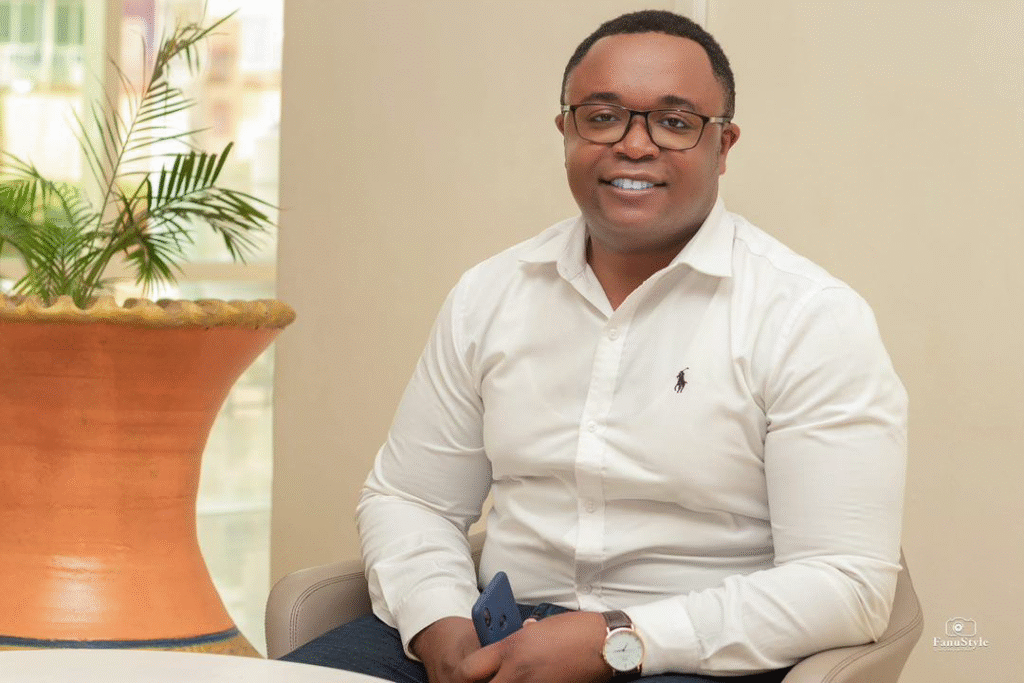
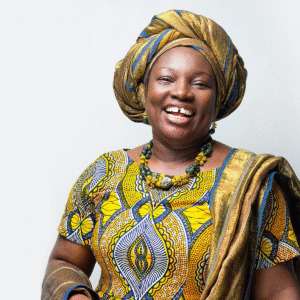
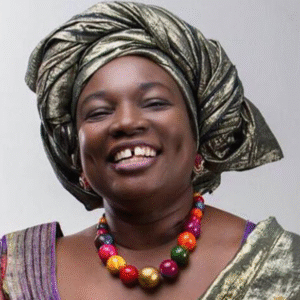
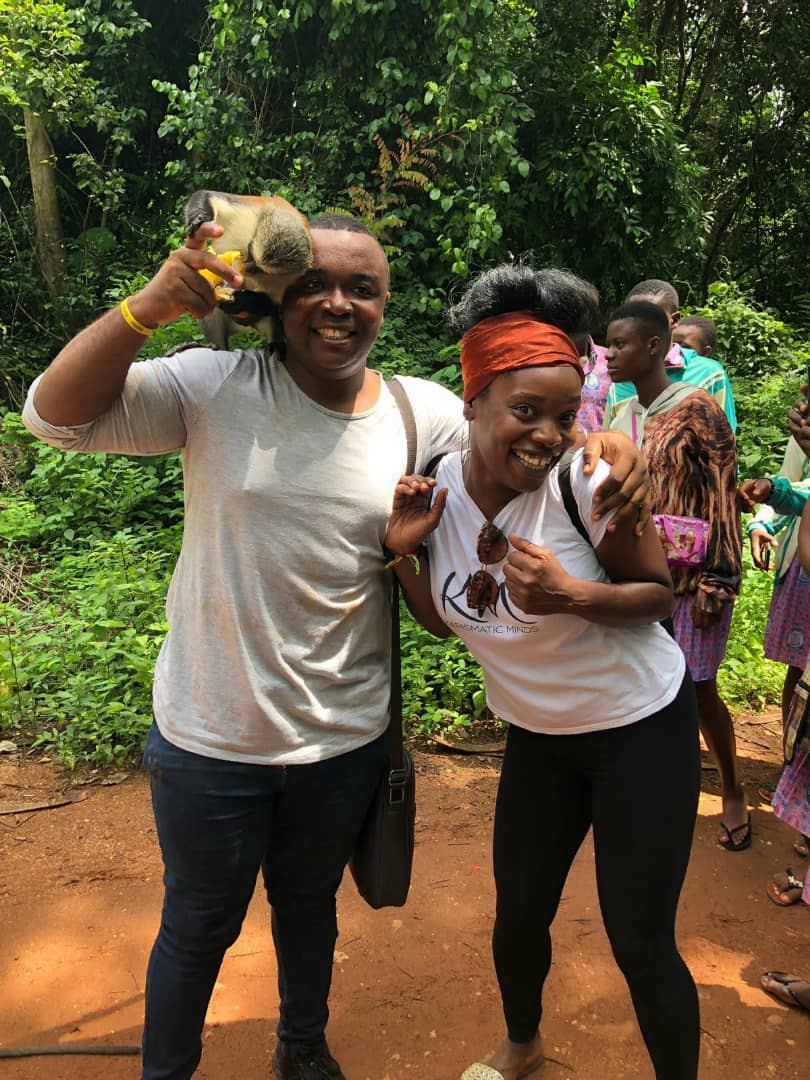
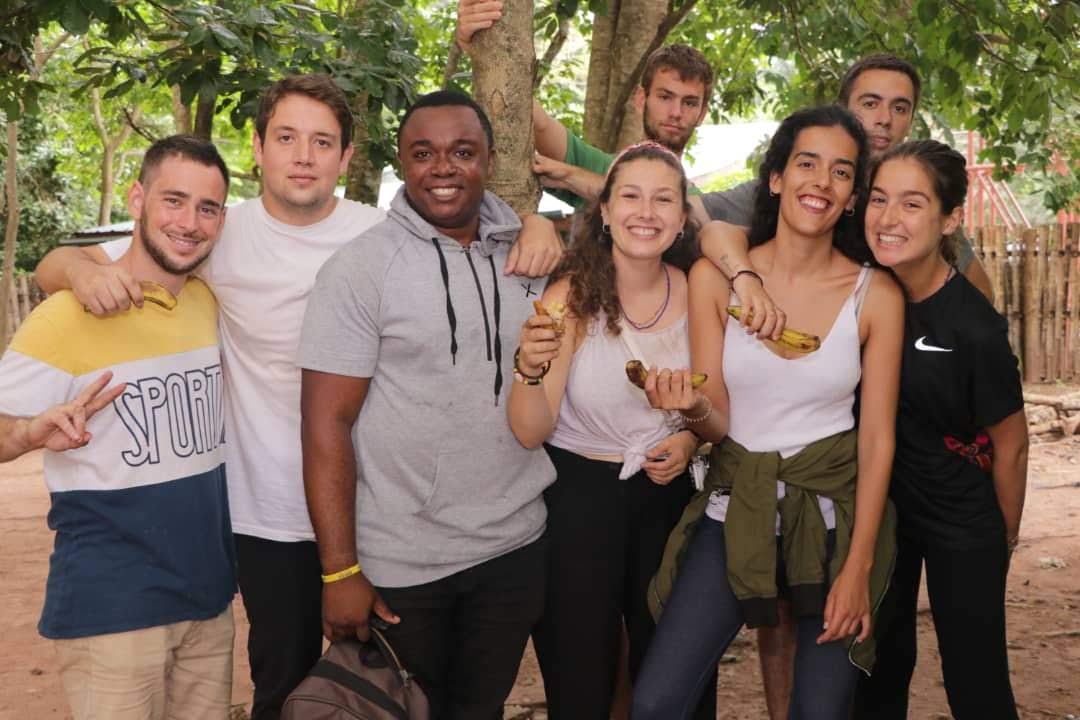
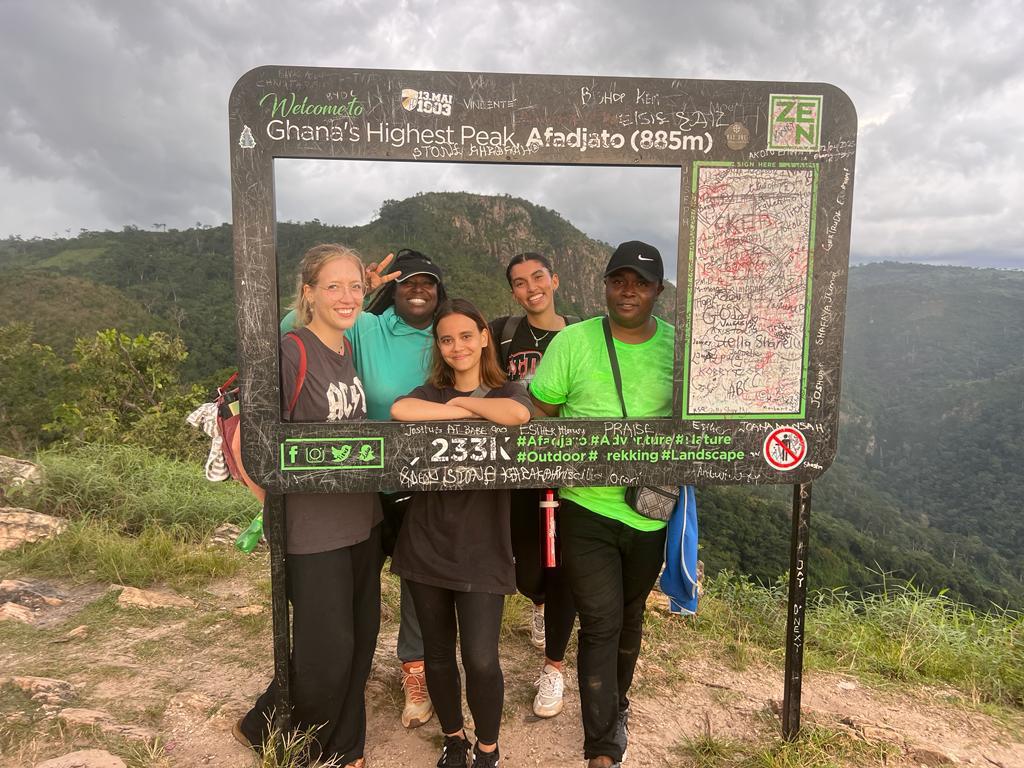
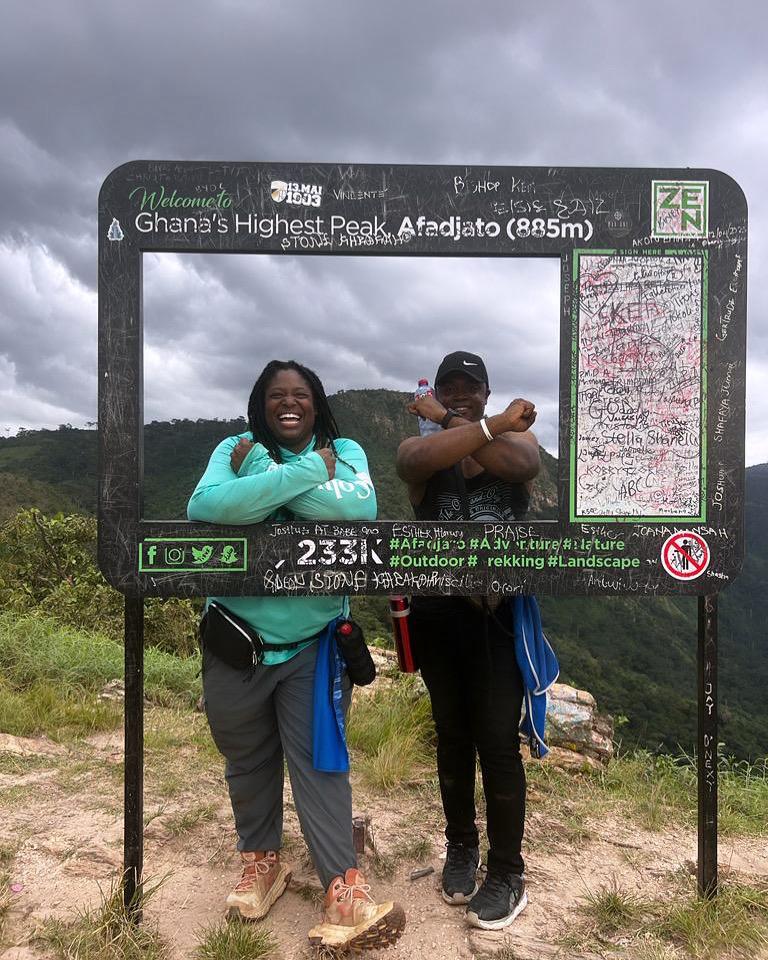
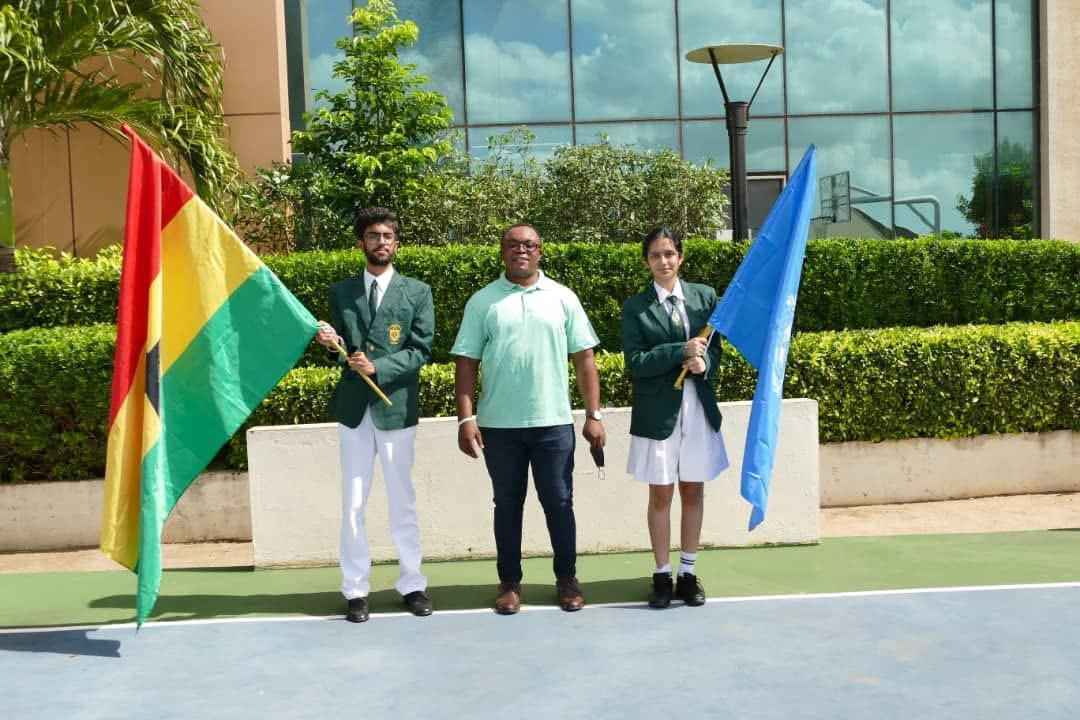
Emmanuel is a passionate advocate for cultural heritage and fostering global connections. With deep roots in Ghana, Emmanuel has dedicated his life to bridging cultural divides and promoting understanding between diverse communities. His extensive knowledge of Ghanaian culture and history, coupled with his commitment to fostering global connections, has inspired many to explore and embrace diverse cultural perspectives.
ABOUT US
We unlock the beauty and cultural richness of Ghana. We are committed to helping students and individuals from around the world deeply engage with and understand Ghanaian heritage.
Our mission: is to provide immersive and authentic experiences that foster a deeper understanding and appreciation of Ghana’s heritage. We aim to bridge cultural gaps, promoting global exchange, unity, and mutual empowerment for all participants.
Our vision: is to be the leading platform for cultural exchange, education, and celebration of Ghana’s heritage. We aspire to create a global community where individuals can discover new cultures, build meaningful connections, and contribute to the preservation and promotion of diverse cultural richness.
PROGRAM OBJECTIVES
Cultural exchange programs broaden students’ perspectives, promote empathy, tolerance, and global citizenship in the following ways.
Engaging with diverse cultures encourages critical thinking, cultural awareness, and the development of competencies essential for effective global citizenship.
Immersive Learning: Living in a different culture allows students to experience life from a new viewpoint, breaking down stereotypes and fostering a deeper understanding of cultural nuances.
Empathy Development: By interacting with people from diverse backgrounds, students learn to appreciate others’ experiences and challenges, enhancing their ability to empathize.
Tolerance: Exposure to different beliefs, practices, and values encourages students to become more open-minded and accepting of differences, reducing prejudice and discrimination.
Intercultural Communication: Navigating a new cultural environment improves students’ communication skills, teaching them how to interact respectfully and effectively with people from various backgrounds.
Global Citizenship: Understanding global interdependencies and shared human experiences fosters a sense of responsibility and commitment to addressing global issues, such as social justice, environmental sustainability, and human rights.
Critical Thinking: Encountering new ideas and ways of thinking challenges students to critically evaluate their own beliefs and assumptions, leading to a more nuanced and informed worldview.
Collaborative Skills: Working with peers from different cultures on common projects or goals enhances teamwork and problem-solving skills, which are essential for global cooperation.
Through these experiences, students develop a broader, more inclusive perspective, preparing them to contribute positively to an increasingly interconnected world.
WHY GHANA?
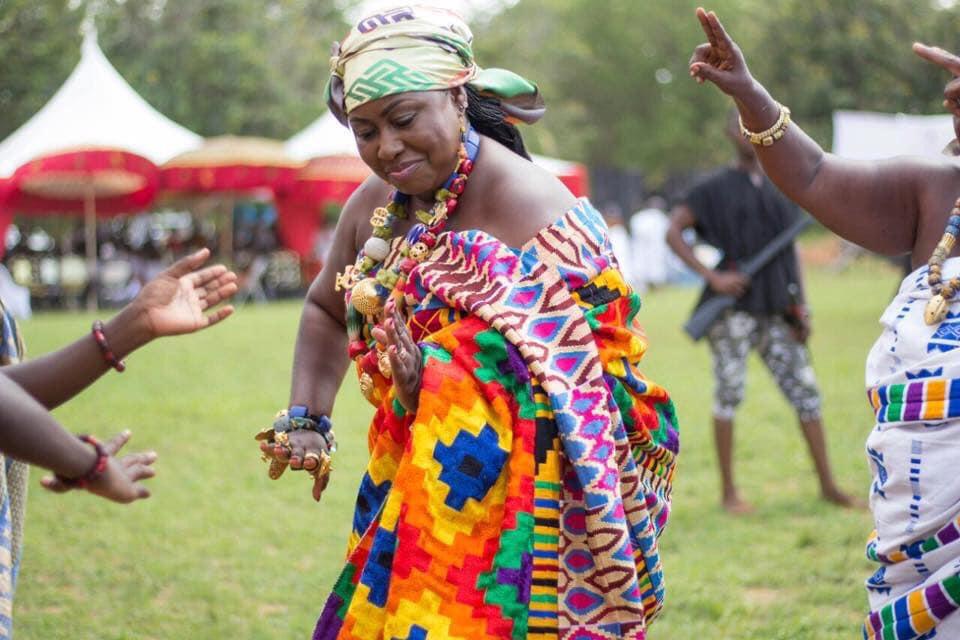
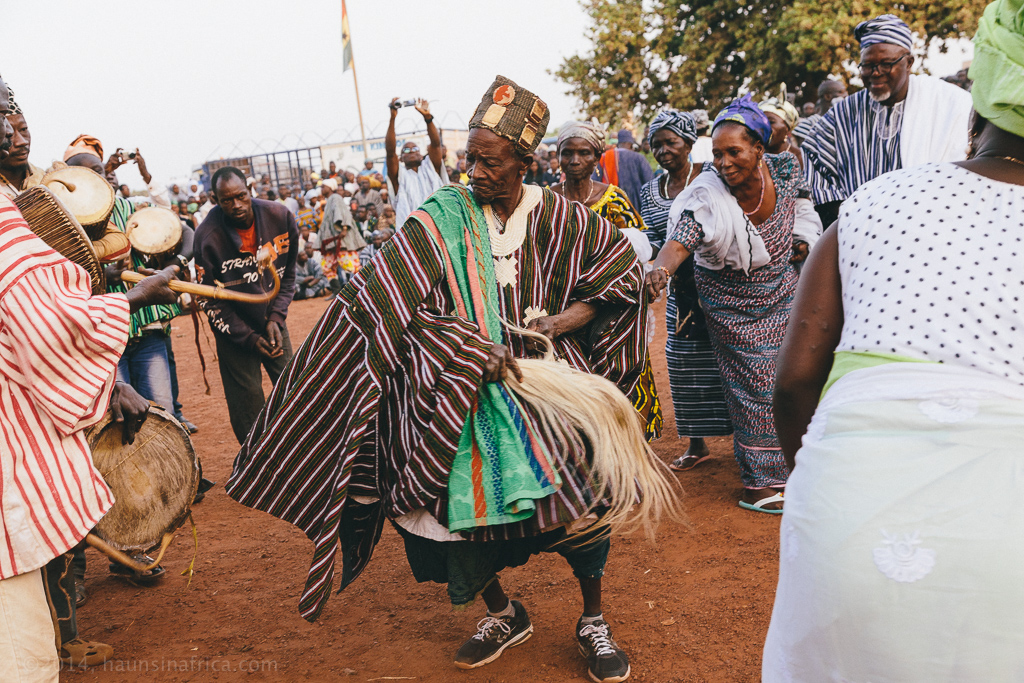
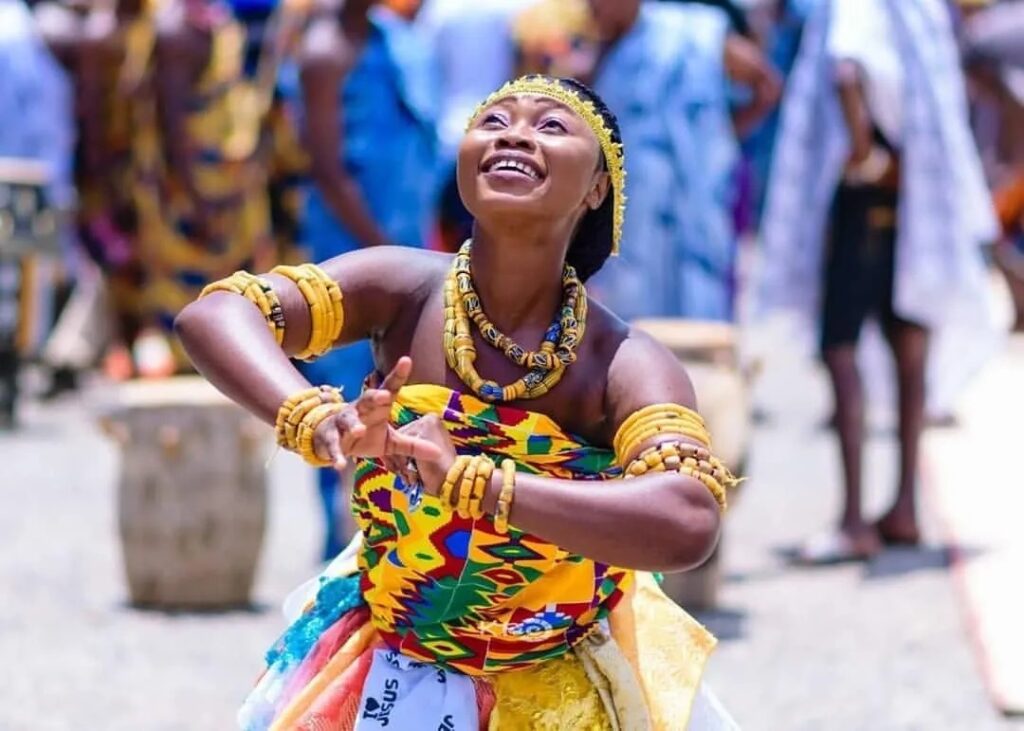
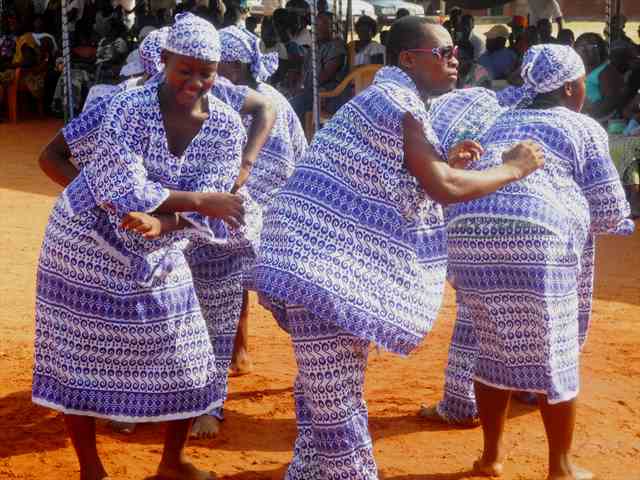
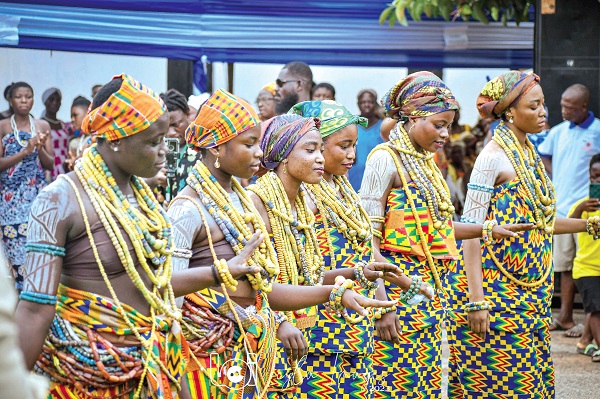
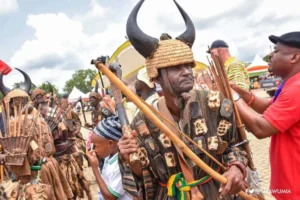
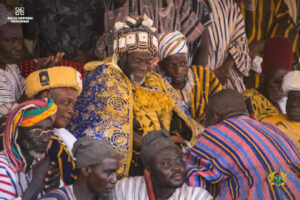
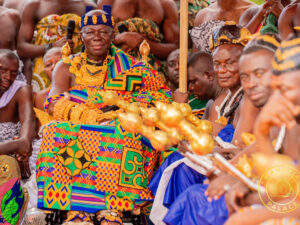
Rich Cultural Heritage and Vibrant Traditions: Ghana is often called the gateway to Africa, boasting a diverse and vibrant cultural scene. Students can immerse themselves in traditional music, dance, festivals, and art, gaining a deep appreciation for West African heritage and customs
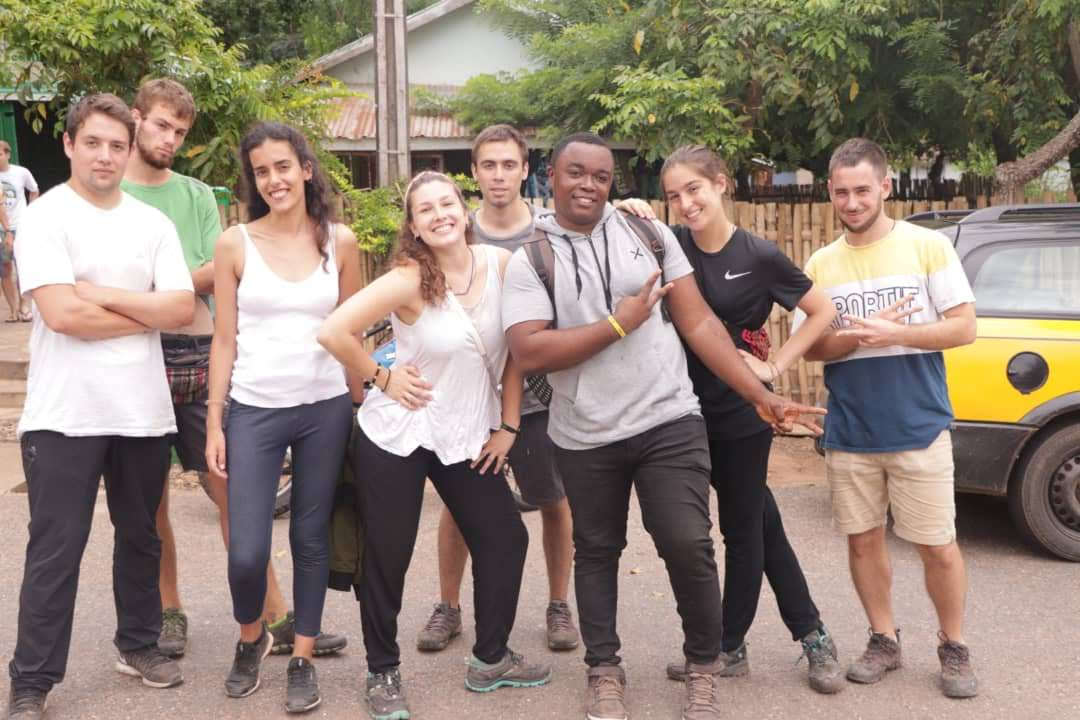
Opportunity for Meaningful Connections with Ghanaian Peers: Exchange programs in Ghana provide students with the chance to build strong, lasting relationships with local peers. These connections can foster cross-cultural understanding, collaboration, and lifelong friendships.
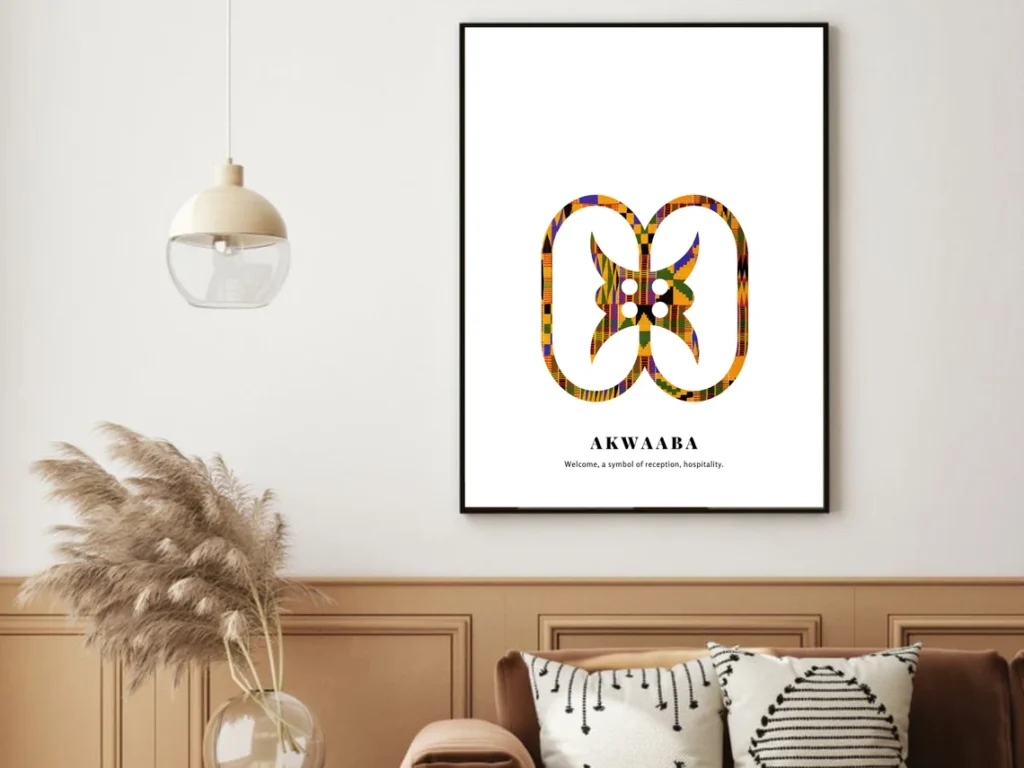
Warm Hospitality and Unique Learning Environment: Ghanaians are renowned for their friendliness and hospitality, creating a welcoming atmosphere for international students. This supportive environment, combined with Ghana’s unique educational system, offers a distinctive and enriching learning experience.
Choosing Ghana for an exchange program allows students to experience a rich tapestry of culture, a supportive and unique learning environment, and the chance to form meaningful connections with people from diverse backgrounds.
KEY ACTIVITIES
Traditional Dance and Music Workshops: These workshops immerse students in Ghana’s rich musical and dance traditions. Participants learn to play traditional instruments such as the djembe and kora, and practice various dance forms unique to different ethnic groups in Ghana.
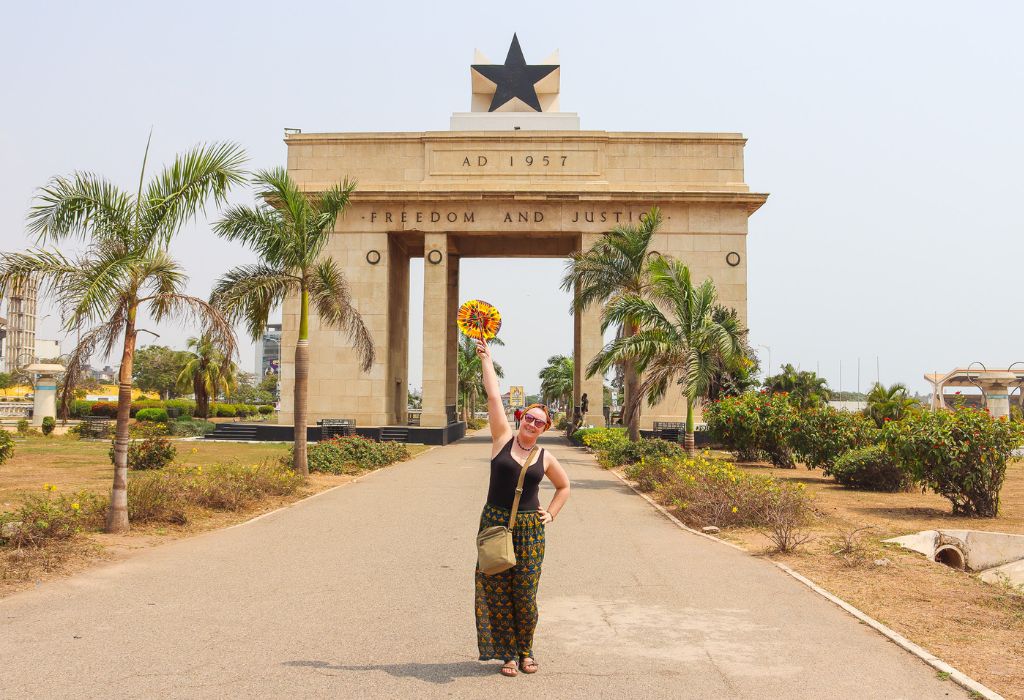
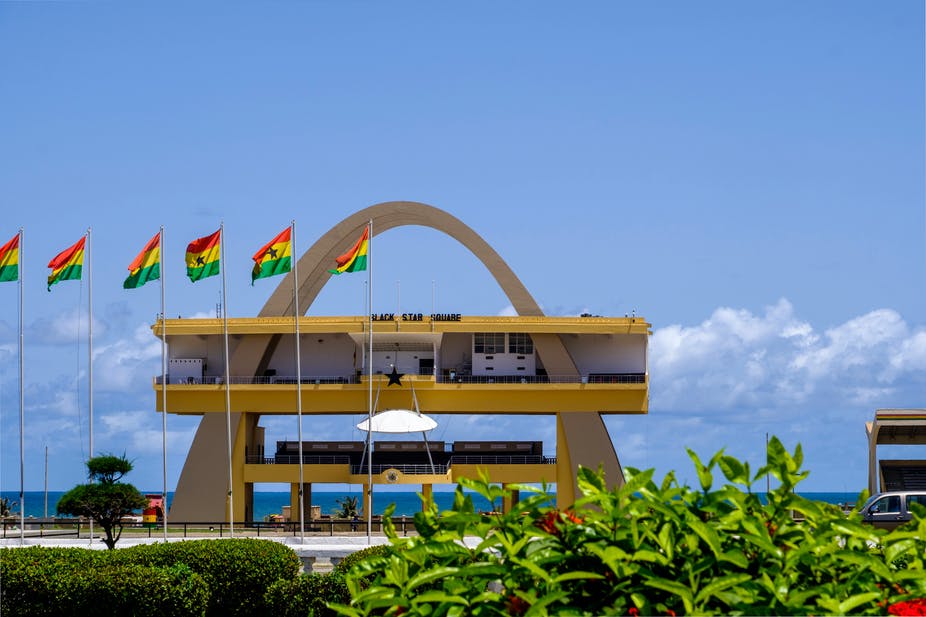
Cultural Heritage Tours: Students visit significant historical and cultural sites such as the Cape Coast and Elmina Castles, the Ashanti Kingdom in Kumasi, and the bustling markets of Accra. These tours provide deep insights into Ghana’s history, from ancient kingdoms to the transatlantic slave trade.
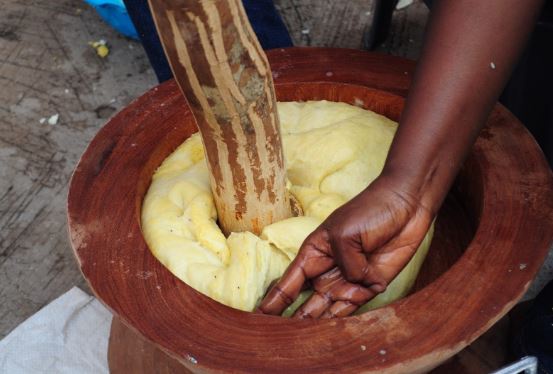
Cooking Classes: In these hands-on classes, students learn to prepare traditional Ghanaian dishes such as jollof rice, banku, and fufu. These classes offer a delicious way to explore Ghana’s culinary traditions and culture.
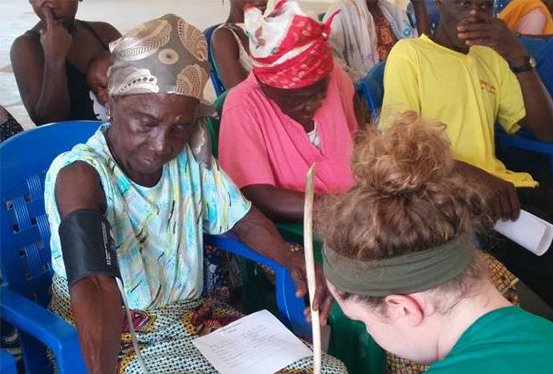
Community Service Projects: Students engage in community service by working on projects such as building schools, teaching in local classrooms, or participating in environmental conservation efforts. These projects encourage social responsibility and create opportunities to give back to the host community.
Language and Cultural Exchange Sessions: Students participate in interactive sessions to learn basic phrases in local languages such as Twi, Fante, Ewe and Ga. These exchanges, often conducted with Ghanaian peers, enhance cross-cultural communication and deepen cultural understanding.
Activity Instructor – Traditional Dance and Music Workshops
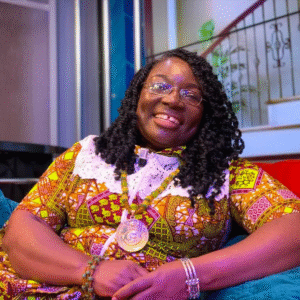
Dr. Diana Hopeson
Dr. Diana Hopeson (also known as Diana Botchway) is a renowned Ghanaian gospel singer and a former President of the Musicians Union of Ghana (MUSIGA). Her outstanding contributions to the Ghanaian art industry earned her a National Honors Award in 2007, presented by former President John Agyekum Kufuor.
In March 2021, she was recognized among the Top 30 Most Influential Women in Music by the 3Music Awards Women’s Brunch. She has also served as:
A GHAMRO board member
The Chairperson of the Interim Management Board of the Copyright Society of Ghana.
In the same year, she was selected by Nigerian international singer and producer BJ Sam to represent Ghana in the first universal Christmas music project, featuring other global music icons such as:
Hollywood actor Paul Raci
Bollywood playback singer Jaspinder Narula
Swiss actress Christina Zurbrügg
Cultural Heritage
Tours
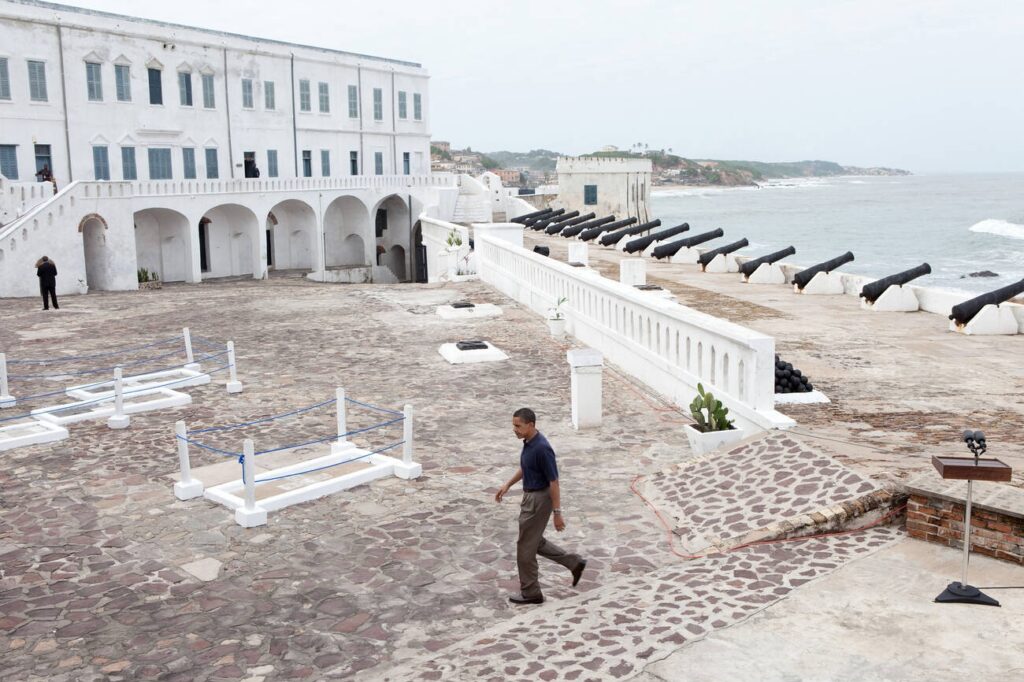
Students embark on guided tours of some of Ghana’s most iconic historical and cultural landmarks, including the Cape Coast and Elmina Castles, the Ashanti Kingdom in Kumasi, and the lively markets of Accra. These immersive experiences not only provide valuable insights into Ghana’s rich history — from the grandeur of its ancient kingdoms to the painful legacy of the transatlantic slave trade — but also allow students to witness living traditions, vibrant artistry, and everyday cultural practices that continue to shape Ghanaian society today.
Notably, the Cape Coast Castle was visited by former U.S. President Barack Obama in 2009.
Cooking Classes
Students take part in hands-on cooking sessions where they learn to prepare traditional Ghanaian dishes such as jollof rice, banku, and fufu. Guided by experienced local chefs, these classes provide more than just recipes — they offer a delicious gateway into Ghana’s culture, family traditions, and the role of food in bringing communities together.
Through the process of cooking, tasting, and sharing meals, students gain a deeper appreciation of Ghanaian culinary artistry while enjoying an interactive and memorable cultural experience.
Community Service Projects
Engaging in community service gives students the opportunity to make a direct and lasting impact on local communities. Participants may contribute by building schools, teaching in classrooms, or joining environmental conservation efforts that protect Ghana’s natural heritage.
Beyond the practical work, these projects foster a sense of social responsibility, teamwork, and empathy. Students not only give back to their host communities but also gain valuable life lessons about resilience, collaboration, and the importance of service in global citizenship.
Language Sessions
Students participate in interactive sessions where they learn basic phrases in local languages such as Twi, Ewe, Fante, and Ga. These sessions are often conducted alongside Ghanaian peers, creating a lively and supportive environment for practice.
By learning everyday greetings, expressions, and cultural etiquette, students gain more than just vocabulary — they develop cross-cultural communication skills, build confidence in connecting with locals, and deepen their appreciation of Ghana’s linguistic diversity. This experience also fosters respect for the role of language in preserving identity, tradition, and community bonds.
Benefits of the Program
Tailored Experiences The program can be customized to cater to the specific interests and goals of the students. Whether they’re interested in art, history, environmental conservation, or social entrepreneurship, the program can be tailored to include relevant activities and experiences.
Collaborative Projects Students can collaborate on projects that address local challenges or contribute to community development. This collaborative approach fosters teamwork, leadership skills, and cross-cultural understanding while making a meaningful impact on the host community.
Promote Intercultural Dialogue The program encourages open and respectful conversations between students from diverse backgrounds. This intercultural dialogue helps break down stereotypes, build mutual respect, and promote global understanding, preparing students to thrive in an increasingly interconnected world.
Customization and Collaboration
Tailored Experiences The program can be customized to cater to the specific interests and goals of the students. Whether they’re interested in art, history, environmental conservation, or social entrepreneurship, the program can be tailored to include relevant activities and experiences.
Collaborative Projects Students can collaborate on projects that address local challenges or contribute to community development. This collaborative approach fosters teamwork, leadership skills, and cross-cultural understanding while making a meaningful impact on the host community.
Flexible Learning Formats The program can offer a mix of structured activities, workshops, and independent exploration, allowing students to learn in a way that suits their preferences and learning styles.
Cross-Institutional Partnerships Collaboration with local educational institutions, NGOs, and community organizations enhances the program’s impact and provides students with opportunities to engage with experts and practitioners in various fields.